
Advances in virtual reality headset know-how might have slowed in recent times, however the viewers for them continues to develop, and even develop new branches. An fascinating instance of that is the comparatively new phenomenon of VR natives.
VR natives are folks whose main – and presumably even first – gaming platform is a VR headset of some sort. With a core age vary of 13 to 24, it is a demographic that covers an age bracket that’s comparatively small, however consultant of an individual’s adolescence. That is the part of the viewers that nDreams’ newest studio Compass, fashioned after final 12 months’s restructuring, is aiming to cater for.
“It isn’t one measurement suits all,” says studio head Callum Godfrey, in recognition of the truth {that a} 13 year-old’s tastes aren’t essentially these of a 24 year-old. “We’re undoubtedly seeing some developments in the knowledge that we have carried out, and we’re actually excited to start out utilizing that knowledge to attempt to goal all ends of that spectrum inside that youthful viewers bracket.”
Analysis has advised Godfrey and his group that one consistency amongst this new, youthful viewers is that they are extra keen to experiment with new experiences than a extra conventional, older VR viewers. Fairly than MOBAs and shooters, they’re drawn to slower, social experiences, no matter style.
Play time
Notably, in contrast with older audiences, VR natives spend extra time enjoying VR (20–half-hour extra per session) and play it extra typically (sometimes 3–4 periods per day, versus 1–2 periods). Mixed with the proven fact that a big majority of these surveyed haven’t any points with area on the subject of room-scale experiences, they’re open to sure forms of video games {that a} extra conventional VR participant may battle with. And culturally, they honestly embrace VR.

“They really feel prefer it’s an area the place, as a result of they’re in there as early adopters, they really feel cool,” Godfrey explains. “They’re making an attempt plenty of totally different content material out, and so they’re actually, actually vocal about issues as effectively. They’re becoming a member of Discords, they’re posting issues. They’re actually socially energetic, and need to develop into champions and interact with the product past simply the sport itself.”
Successful with this passionate and socially energetic viewers, then, has the potential for regular development and an extended lifespan. With a purpose to attraction to the complete VR native spectrum, Godfrey explains, Compass is components that resonate with gamers no matter age.
“We’re fascinated about social play. We’re fascinated about methods you possibly can work together and interact with one another that [aren’t] simply following the guidelines of the sport. It is about ways in which you and different folks can spend time doing issues at your individual tempo, slightly than being compelled by the sport […] You may consider it extra as a sandbox or playground-style sport mechanics in a social context.”
This does not imply that Compass will concentrate on social experiences to the full exclusion of solo video games – there’s, Godfrey acknowledges, a spot inside the VR native viewers for single-player titles. However VR natives have a robust need to interact with different folks, at a tempo that they dictate, with the immersion that solely VR can supply.
Balancing act
Whether or not the expertise is solo or social, there’s an eagerness – if not one thing of an impatience – amongst youthful gamers to dig into the meat of a sport. “They are a bit much less prone to sit by way of a 30 minute cutscene earlier than they get to the good bit,” says Godfrey.
However this want for immediacy must be balanced with the extra relaxed, laid-back strategy that this new viewers additionally wishes.
Given the youthful age (and due to this fact decrease quantity of disposable earnings) of VR natives, it’s maybe no shock that the extra reasonably priced finish of the headset market makes up the majority of the tech at play right here, in the types of the Meta Quest 2 and three.
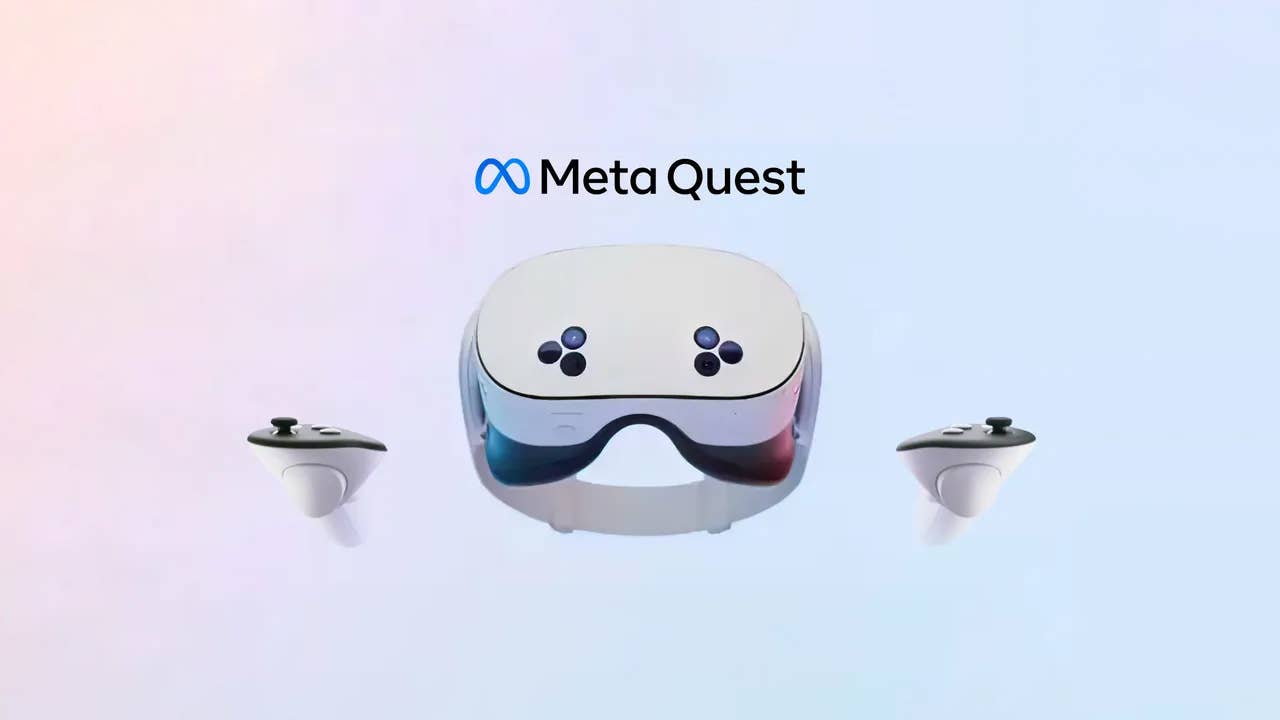
Compass was interested by the place these headsets got here from. “One in every of the theories we needed to check,” says Godfrey, “was whether or not or not folks had gotten into VR gaming as VR natives by way of hand-me-down headsets. It was truly a really low proportion of the VR native viewers: I feel it was one thing like 12% to 13% primarily based on the outcomes we received by way of.”
“Most of them have purchased it, the majority have purchased it model new. So there’s a actually robust need for this VR native viewers to need to personal that platform, and wish it to be their platform, not any person else’s that they’ve inherited.”
This sense of possession might go some method to explaining the longer, extra quite a few play periods per day in comparison with older VR gamers. Prolonged play periods of three–5 hours are uncommon amongst this viewers in comparison with those that play conventional flatscreen experiences, however one constraining issue that is extra distinguished with VR than with different platforms – significantly for self-contained headsets similar to the Quest – is battery life.
Endurance
If battery and, to a lesser extent, area constraints are solved with technological advances, there’s each purpose to imagine that the size of the common play session would improve. A really giant proportion of the VR native viewers is keen to improve if and after they really feel it essential.
So, Compass has a great understanding of who VR natives are, and what they need. However find out how to translate this data into one thing that they really need to play, and proceed enjoying? The reply, Godfrey explains, is straightforward: Go on to the supply.
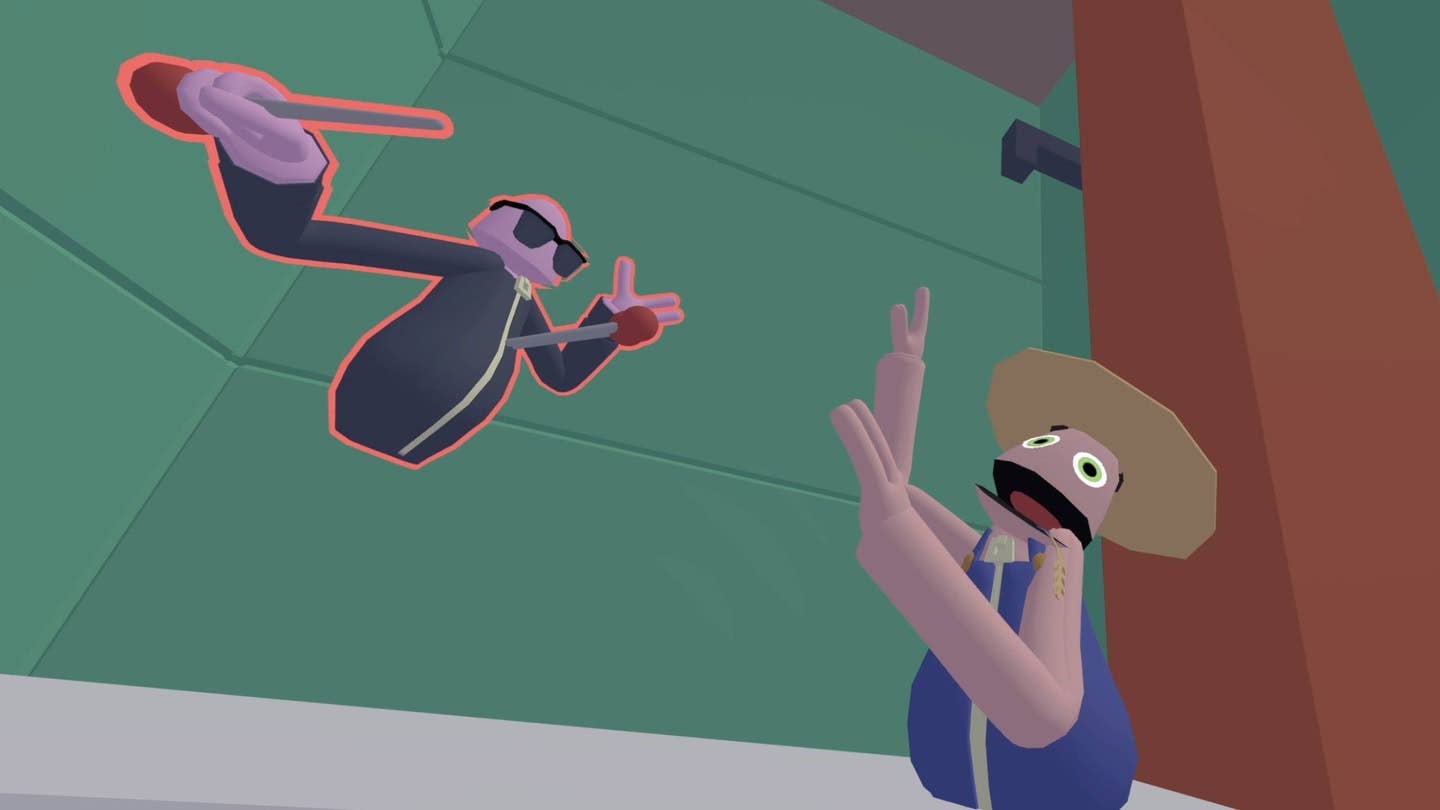
“Each three months inside Compass Studio, we carry a gaggle of VR natives from that teenagers and younger adults viewers into the workplace to playtest our video games, playtest our prototypes, to assessment pitches for us, give us qualitative suggestions. So we’re combining quantitative knowledge from the massive market analysis survey we did of over 3,000 gamers, and qualitative knowledge to make it possible for the sensible meets the theoretical.”
This hasn’t been with out sure challenges, which will probably be acquainted to many builders with expertise of playtesting VR titles. The spectre of movement illness looms bigger for VR than it does for flatscreen – significantly for prototype builds – and the elementary logistics of testing a multiplayer sport are rather more difficult when it entails giving 16 folks VR headsets and sufficient area to soundly and successfully use them.
“The speed at which new gamers are coming into the ecosystem is larger than the charge at which they’re leaving it”
Callum Godfrey, Compass
In fact, those that sit inside this group at present not will in one other 10–15 years or so. As they age and develop, so will their tastes in video video games, which is able to typically steer them in the direction of spending extra time with totally totally different experiences. However though some people will depart, the VR native demographic itself shouldn’t be going anyplace, Godfrey asserts.
“I feel that as the present VR natives age up and transfer into different demographics,” he says, “the charge at which new gamers are coming into the ecosystem is larger than the charge at which they’re leaving it.”
Simply how many individuals will maintain coming again to VR native experiences as they enter a new age bracket stays to be seen. Even when that proportion proves to be small, there’s – the knowledge strongly suggests – no scarcity of individuals to take their place, hungry for the subsequent sport with them in thoughts.