
For many of the previous decade, massive components of the video games trade have been working with a single, deceptively easy sounding tenet – that if you need to make actual cash, severe cash, you will have to make it large in reside service.
It isn’t that single-player video games are lifeless in the water, per se. It is simply that, in accordance to this studying of the market, their economics do not add up to severe cash any extra. Promoting a shopper one thing as soon as, taking their cash and contemplating the transaction a accomplished deal is so passé – recurring income is the place the sensible bets have been being made.
It is at all times been inevitable that this tide would begin to flip. I’ve nothing towards live-service video games, and have loved loads of them, however as a matter of easy economics, they might by no means be the trade’s dominant paradigm.
By their nature, profitable live-service video games maintain customers’ consideration for a lot of months, if not years, conserving a agency grip on their wallets at the similar time, and thus primarily blocking some other recreation from thriving. The median shopper has room of their lives and their budgets for one live-service recreation at a time, with even the most devoted of them solely conserving two or maybe three on the go directly.
That is a far cry from the lived expertise most individuals have with common video games – particularly for older customers with extra disposable revenue than disposable leisure time, lots of whom will purchase video games regardless that they do not know once they’ll have time to play them, or discuss the backlogs they’re hoping to chip away at over time.
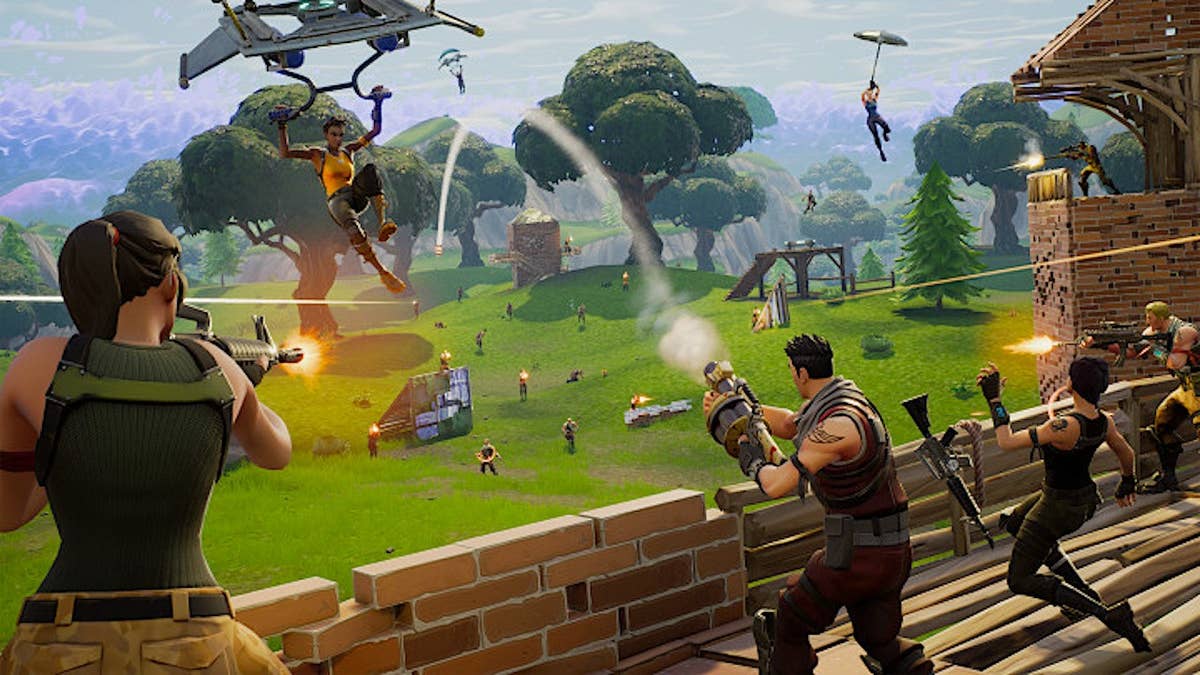
Common video games are time-consuming – that is a part of their worth proposition – however they do not block consideration from one another. They’re fairly a unique ecosystem from live-service video games. They do not aggressively smother one another beneath canopies of choking shade.
There’s room in the marketplace for an enormous variety of common video games, however with live-service video games, solely a handful of winners can ever actually succeed, creating an eye-watering danger profile for any new entrant into the market.
The trade’s nearly decade-long give attention to reside service has largely been a results of seeing the rewards that go to these handful of winners. Fortnite, Genshin Influence, Ultimate Fantasy 14, Counter-Strike… Once you have a look at the revenues pouring in from some of these video games, it is no marvel that different publishers need one for themselves.
That need has develop into one thing shut to an obsession, as a result of it has blossomed at a time when the economics of the video games trade are in a tough spot, to say the least. Improvement prices have spiralled, however viewers progress has roughly stagnated, and the latest (strongly resisted) makes an attempt to set up greater value factors solely profit a handful of video games at the high of the AAA pyramid. Even then, they do not totally make up for many years of inflation.
Even when the dream remains to be engaging, the danger profile has develop into inconceivable to ignore
Reside-service video games seemed like they might sq. that circle, ushering in a brand new mannequin the place builders would front-load the excessive bills of making a recreation, however then earn large revenues for years from gamers shopping for cheaply created in-game gadgets and forex.
Even when the dream remains to be engaging, the danger profile has develop into inconceivable to ignore – and what we have seen in the previous yr is a gradual however nonetheless marked reversal of the development in direction of placing live-service features into each recreation attainable.
It’s extremely notable that one among the initiatives that was dropped in Microsoft’s latest spherical of cuts was a brand new MMO being created by Zenimax.
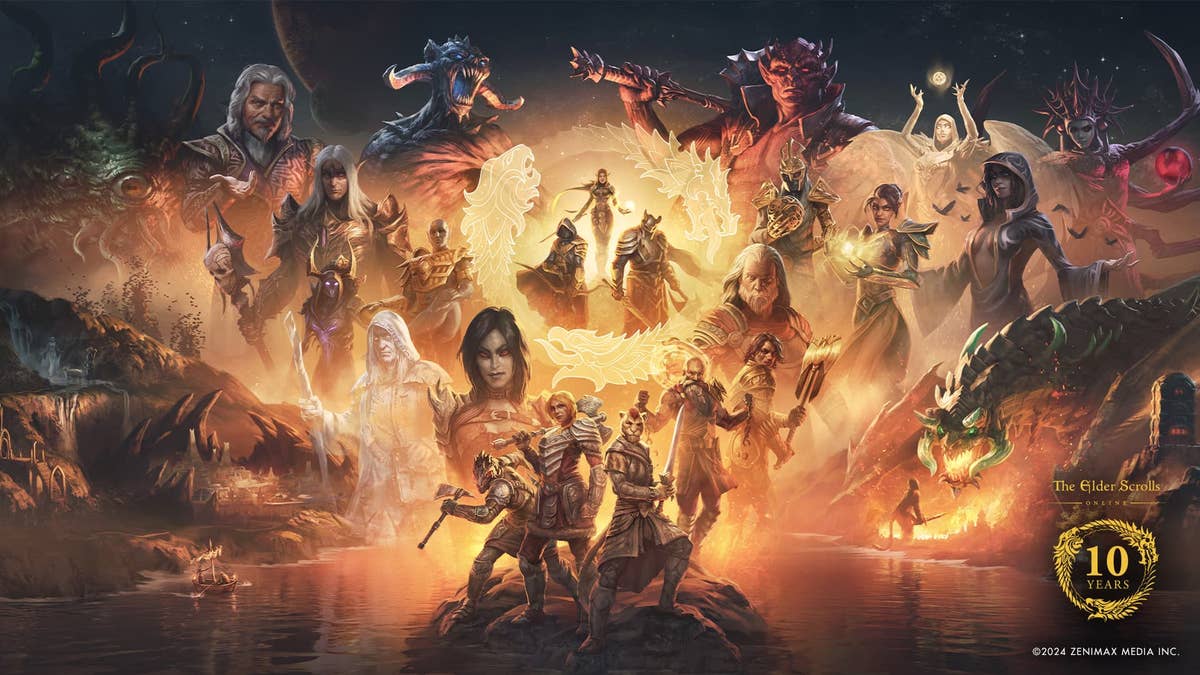
A giant new MMO launch was at all times going to be a difficult factor for Microsoft to pull off, allowing for that it has already acquired World of Warcraft and The Elder Scrolls On-line beneath its banner. How do you launch a brand new MMO with out merely cannibalising gamers out of your different providers? Nevertheless it additionally primarily falls into the lure of reside service by way of its danger profile. It is merely not an excellent time to be asking individuals to pay one more month-to-month subscription price.
Microsoft is much from alone in its determination making right here, although. EA pivoted Dragon Age: The Veilguard away from reside service and right into a single-player recreation mid-development. Not to the best impact, granted, since the seams have been nonetheless clearly seen, however what this says about EA’s altering views on reside service video games is arguably extra fascinating than the swansong for Dragon Age was.
Capcom additionally reportedly began work on Resident Evil 9 as an open-world, reside service type recreation, earlier than very sensibly shifting its focus back to the single-player recreation type that followers of the collection crave.
These are the ones we find out about. We additionally know from evaluating forecasts to the eventual actuality of their launch schedules that publishers like Sony have rowed back considerably on their ambitions for reside service launches, even when lots of the cancelled or pivoted initiatives have been by no means made public in the first place.
What has modified, greater than anything, is that each one of these high-profile success tales, and the billions they introduced in, have been joined by a fair bigger variety of high-profile failures – failures which have stacked up to an extent the place they cannot be ignored any extra.
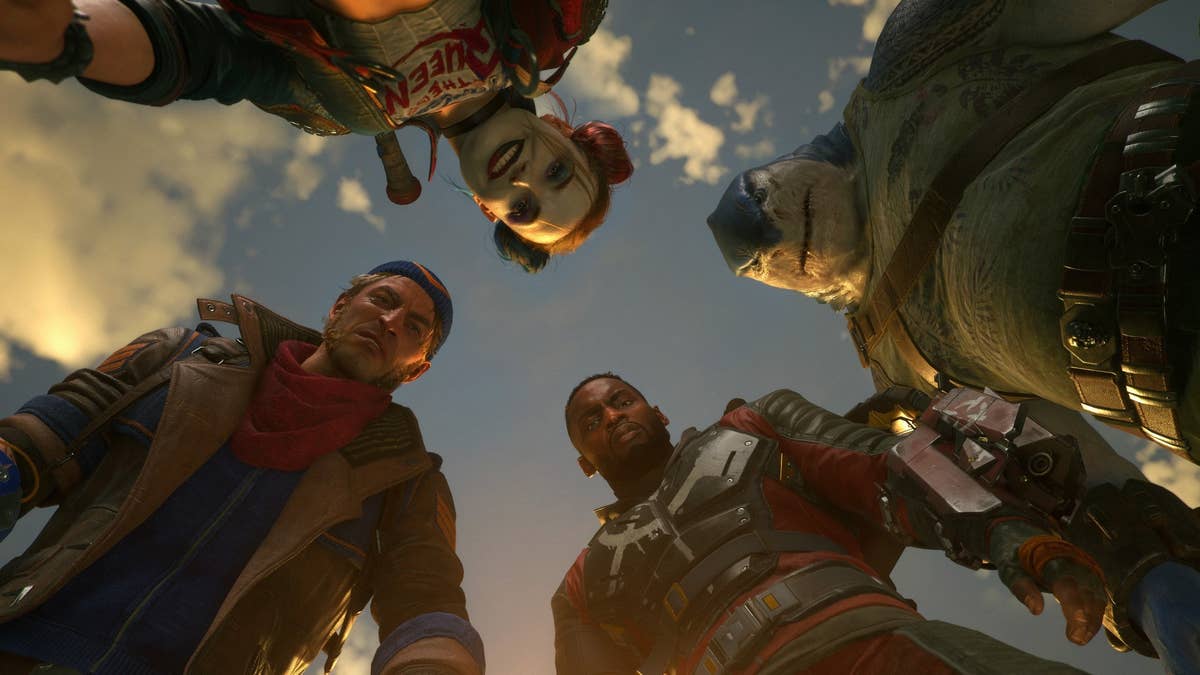
Nearly each main writer has now had a really costly brush with a live-service failure. Whereas examples like Harmony, Anthem, and Suicide Squad stick in the thoughts, there have been dozens of different flops that ended up stumbling on for comparatively brief lifespans earlier than being shut down. Even publishers with a glowing live-service success on their arms have discovered that lightning is extraordinarily exhausting to bottle once more. Babylon’s Fall, for instance, was most likely an particularly robust capsule to swallow for Sq. Enix executives dreaming of including one other Ultimate-Fantasy-14-level success to their secure.
Nevertheless interesting the potential revenues from reside service could also be, the danger profile is now clear for all to see as properly. Most publishers have already put their arms on this scorching range not less than as soon as, and classes have clearly been discovered, beginning with the understanding that there’s comparatively restricted house for profitable ones, with new titles actually solely having a shot in the market if a longtime recreation is faltering.
The period when nearly each recreation had to have a live-service part so as to get inexperienced lit is now over
The pot of gold at the finish of the rainbow remains to be going to dazzle lots of people, and these video games will maintain getting made. Nevertheless it’s more and more clear that the period when nearly each recreation had to have a live-service part so as to get inexperienced lit is now over.
What this may imply for publishers like Sony which have constructed an entire technique round reside service is a harder query. It is tougher to pivot a complete firm’s strategic strategy than it’s to pivot a person recreation: particularly whenever you’ve spent billions of {dollars} shopping for Bungie largely to get the experience wanted for that technique.
It will likely be fascinating, although, to see what number of extra live-service video games in improvement are being quietly shifted over in direction of extra standard single- or multiplayer fashions. And it will likely be much more fascinating to see the place publishers flip subsequent as they proceed to strive to make the economics of their enterprise add up in an period of rising prices and more and more agency shopper resistance to value hikes.