
After a number of years wherein virtually weekly experiences of drastic, sweeping layoffs at one firm or one other have turn into the miserable norm, we’re all pretty accustomed to the sample in the response. There is a measure of shock – not shock any extra, however nonetheless in some way shock as a result of, actually, this firm, at this second? – together with a deep effectively of sympathy for these affected, which we all should steadiness in opposition to the scramble to know precisely which components of the enterprise have been hit and what it would sign for the future.
That is the sample that has performed out in the wake of Epic Video games’ main layoffs this week – with maybe an even bigger dose of shock than regular, given how dominant each Epic’s Unreal Engine and its flagship game, Fortnite, have been of their respective sectors. It’s nonetheless unclear precisely which components of the firm are affected. Round 20% of employees is a giant quantity by any commonplace, however we all know little past the headline quantity.
Specifically, we do not but have a transparent sense of how a lot of the ache has fallen on Fortnite itself (although we all know at the very least a few of the layoffs have come from that aspect of the enterprise), how a lot on the Epic Video games Retailer, or how a lot on the firm’s extra experimental bets.
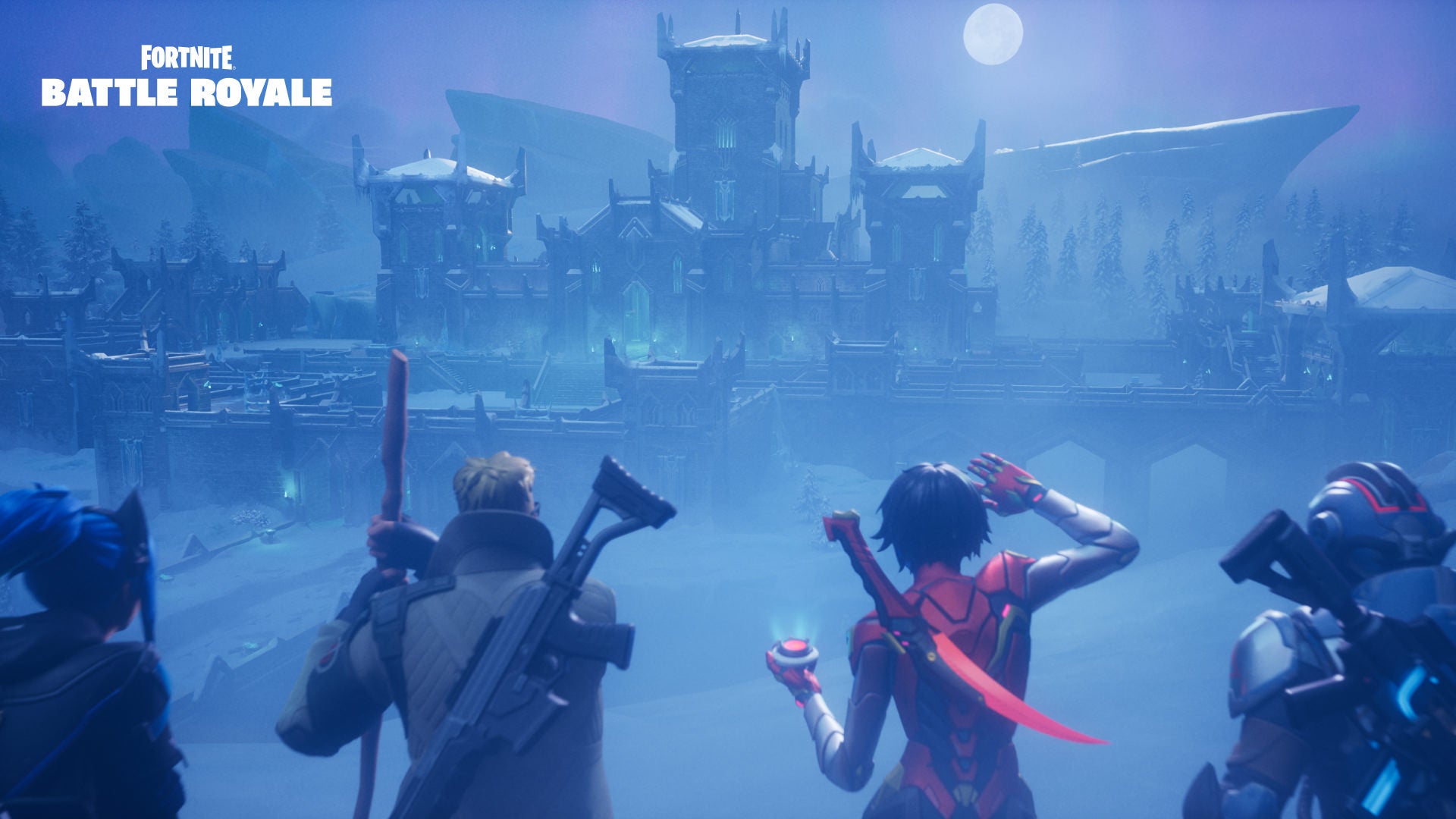
What does appear clear is the underlying driver. After years of dominance, Fortnite’s revenues are declining, and plainly the decline might not be light. There have been hints at a decline for a while, however 2025 appears to have been an particularly tough yr, with Newzoo estimating that participant hours dropped virtually 30% from 2024.
The scenario for the game, which as soon as seemed to be utterly gravity-defying, has seemingly turn into heavy sufficient that Epic feels compelled to behave to make sure that it stays commercially viable. It not too long ago hiked the worth of the in-game forex, V-Bucks, and has now aggressively slashed prices with main layoffs.
Any spherical of layoffs is painful, however such huge cuts ensuing from a downturn in Fortnite’s enterprise raises a bigger query. What does the video games trade appear like after a decade of chasing Fortnite, if Fortnite itself is now not a mannequin to emulate?
The impression of Fortnite’s success on the trade as an entire in the previous decade can’t be overstated. It’s not the solely profitable stay service game, however make no mistake, it’s the stay service game. Its success birthed numerous cartoon greenback indicators in the eyes of numerous trade executives. It was the justification for countless pitch decks, greenlights, cancellations, and strategic pivots throughout the trade; tons of of hundreds of thousands of {dollars} spent on making an attempt to grab away even the smallest slice of its pie.
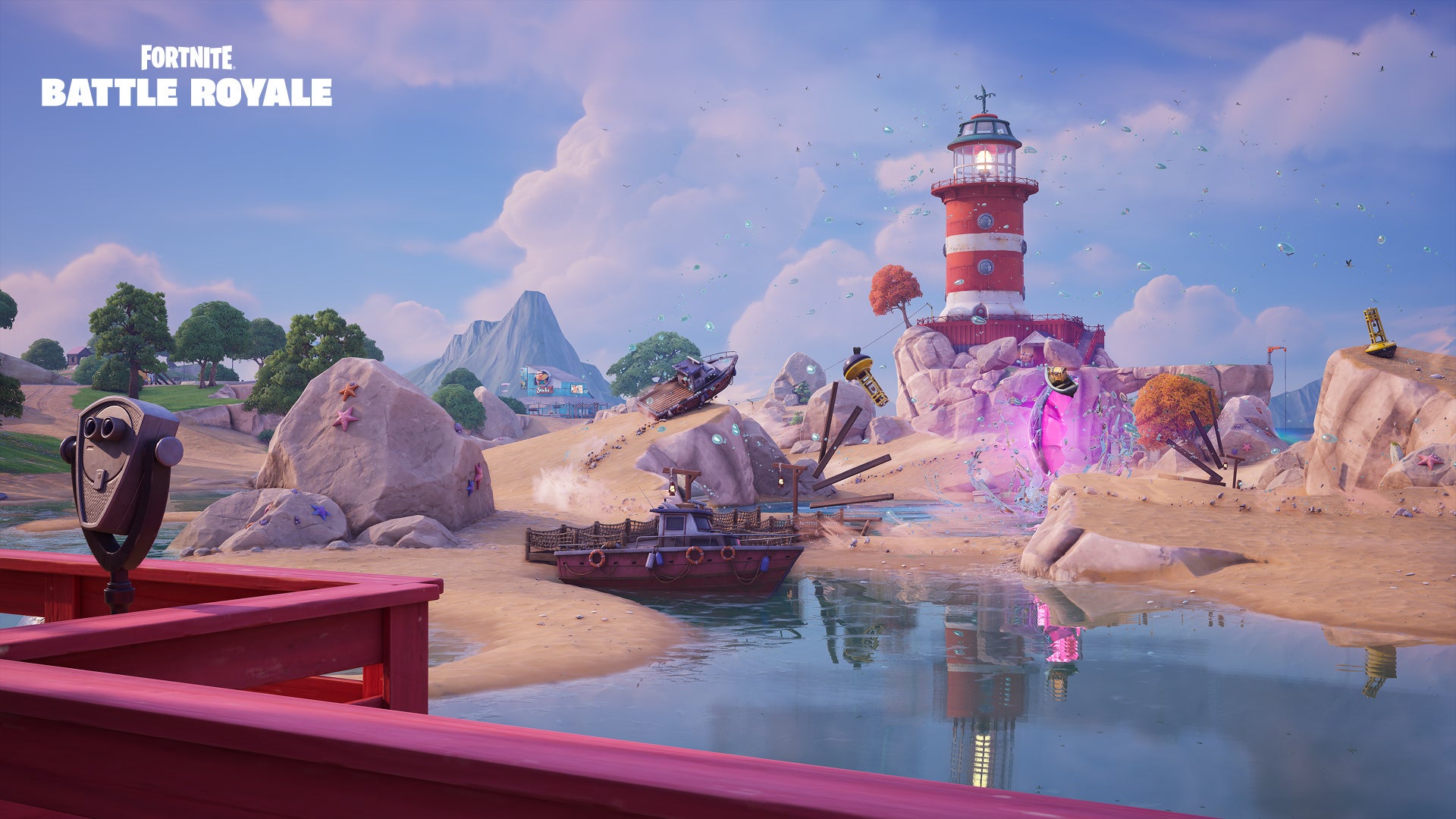
Whilst different corporations reached out to attempt to contact the hem of its cloak, Fortnite itself appeared to be pursuing larger and greater desires. It supplied a tantalising imaginative and prescient of a “forever game,” a single platform that would dominate gamers’ consideration indefinitely, monetise constantly, and function a type of cultural hub as a lot as a chunk of leisure software program.
Whilst Meta repeatedly fumbled the ball in its personal metaverse ambitions, it felt for some time like Epic had really constructed what they dreamed of. Meta’s try to conjure a digital world out of company willpower and advertising spend was all the time extra attain than grasp. Fortnite, against this, had immense scale and precise cultural relevance. For years, it was the social centre of gravity for an entire technology of gamers.
The imaginative and prescient of this being a everlasting, all-encompassing digital world, nevertheless, was all the time a considerably unusual one, out of contact with the actuality of what Fortnite is – a extremely enjoyable, accessible Battle Royale game that bottled lightning and have become a part of the cultural zeitgeist for the finest a part of a decade.
That is not nothing – for a begin, it is many, many billions of {dollars} of income – however with hindsight, a few of the moments when Fortnite appeared at the absolute peak of its cultural powers begin to look extra like a cash-rich firm making an attempt to maintain momentum moderately than an natural rise to world prominence.
Epic threw the whole lot at Fortnite to maintain it culturally central. The corporate booked out billboards in Occasions Sq.. It staged monumental in-game occasions for top-selling music stars. It positioned Fortnite not simply as a game, however as a spot – a hangout, a shared expertise, a vital venue for artists and types to attach with followers; a brand new house the place world cultural moments had been occurring.
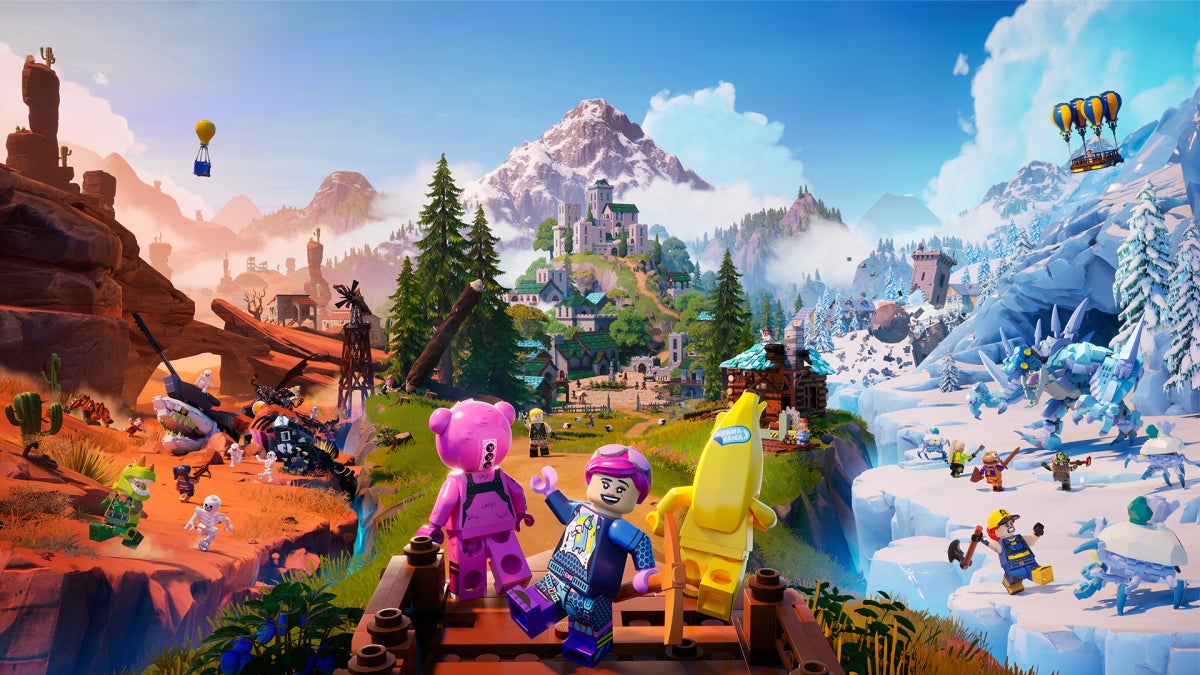
For some time, it even labored, however spectacle would not assure permanence. You possibly can prop one thing up with advertising, collaborations, and capital-C Content material for a very long time, however you’ll be able to’t freeze tradition in place. Fortnite’s unique viewers grew up. They carried reminiscences of issues like the Travis Scott live performance with them, however they did not essentially carry their Fortnite accounts.
What’s now turning into clear is that Fortnite wasn’t in a position to prolong its attraction to the youthful gamers arising behind them. To a lot of them, Fortnite already seems like an outdated man’s game – in a lot the identical manner that my technology of superannuated millennials sounded positively antiquated once we talked about Halo deathmatch video games to Fortnite’s earliest followers.
“If even Fortnite wasn’t actually forever, what has the remainder of the trade been chasing for the previous decade?”
And you understand what? That is tremendous. The layoffs at Epic are terrible for these affected, as all layoffs are; but when Fortnite isn’t the forever game, if we’re not all going to be logging in to a Battle Royale title to look at live shows for the remainder of time, that is completely tremendous. Fortnite’s decline solely seems like a failure if you happen to believed that it wasn’t an inevitability – however video games age, their gamers age, and audiences transfer on.
It’s no shock that executives cherished the thought of a forever game (even when they had been hopping mad that it wasn’t their forever game). That idea guarantees a world the place threat is minimised, the place success is a matter of sustaining relationships with manufacturers and celebrities moderately than nurturing new artistic voices. It’s a imaginative and prescient of video games as an endlessly extendable service, moderately than the messy, hit-driven artistic trade that we even have. It’s no coincidence that a lot of the identical individuals are equally enamoured with AI: it proffers the false hope of producing infinite “experiences” with out having to depend on unpredictable artists and designers.
But when even Fortnite wasn’t actually forever, what has the remainder of the trade been chasing for the previous decade?
The pursuit of that dream has warped decision-making throughout video games. Monumental sums of cash, time, and artistic vitality have been poured into tasks whose major sin, in the finish, was merely not being the subsequent Fortnite. Video games that may as soon as have been given months and even years to search out an viewers are actually cancelled in a matter of days when early metrics fail to justify their existence. The bar isn’t “profitable sufficient,” and even “making a revenue,” when what you are really dreaming of is market dominance.

The acknowledgement that Fortnite is on its downslope – although make no mistake, it is nonetheless an enormous game that makes a ton of cash, and I would be shocked if it would not final in some kind for one more decade or extra – is a possible inflection level. The phobia that Fortnite could be the closing game, the one that might take in all curiosity in gaming into itself, leaving nothing however scraps for everybody else, has evaporated. The market has demonstrated, as soon as once more, that no single game will get to personal gamers forever.
Should you’re in an optimistic temper, you would possibly hope that this realisation would immediate a broader rethink. If the forever game is a mirage, maybe the trade can relearn find out how to construct a portfolio of hits moderately than chasing a single, all-consuming platform. Maybe there’s room once more for video games that develop slowly, that serve particular audiences, that succeed on their very own phrases moderately than in opposition to an not possible benchmark.
“Cultural dominance is fleeting – and it normally isn’t actually dominance at all”
In case your temper is much less rosy – I go away it to the reader’s instinct to guess the place mine lies – you would possibly concern as an alternative that the lesson drawn can be the mistaken one. For some, Fortnite’s decline will not imply abandoning the dream, however merely transferring it. Roblox, with its monumental viewers and vital share of PC playtime, already looms as the subsequent candidate for “this time it truly is forever.” Completely different viewers; identical fantasy.
Even when the obsession migrates moderately than disappears, Fortnite’s story ought to nonetheless function a cautionary story. Cultural dominance is fleeting – and it normally isn’t actually dominance at all, particularly in a world of such fragmented and broad-based tradition. Scale buys time, not immortality, and no quantity of celeb collaborations, model relationship administration, or live-service design can elevate a game exterior and above tradition itself or make it resistant to the fickle tides of viewers tastes.
Fortnite was by no means the forever game, as a result of there can’t be a forever game, irrespective of how good it could look on a steadiness sheet. It is our tradition’s best function, not a flaw to be fastened, that innovation and creativity do not have an finish state.