
The Stop Killing Games initiative, which goals to determine rules on how recreation publishers deal with end-of-life for on-line video games, has handed vital milestones in each the UK and the EU. Within the UK, its petition gathered sufficient signatures to require a parliamentary debate, whereas within the EU, its Residents’ Initiative has now virtually definitely cleared the bar for examination by the European Fee.
That latter milestone is arguably way more vital. European Residents’ Initiatives require 1,000,000 verified signatures and are thus comparatively uncommon, that means that they are taken fairly severely by the European Fee once they do move. With over 1.4 million signatures gathered, it appears very probably that Stop Killing Games has exceeded the necessities, even on condition that among the signatures will in all probability become invalid.
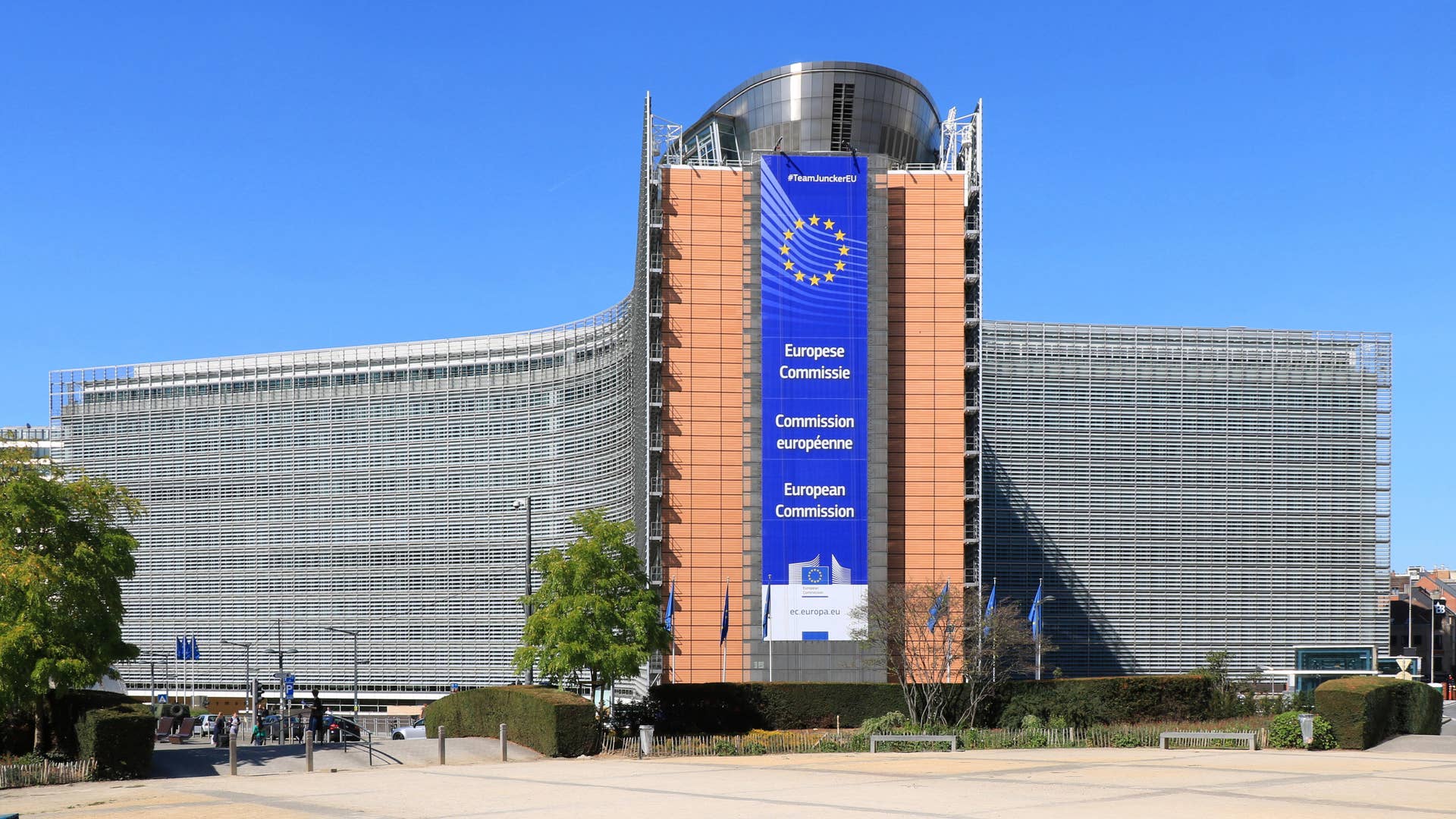
Such initiatives aren’t simply given a symbolic jiffy of parliamentary time – the Fee conducts an investigation of the difficulty, together with holding conferences with the initiative organisers and different stakeholders, conducting a public listening to within the European Parliament, and making ready a proper response. There is not any assure that they may do because the initiative asks, after all. But when they decide to not take motion, they’re nonetheless required to file a full report and conduct conferences explaining their reasoning.
The business response to Stop Killing Games has tended to be fairly dismissive – a bit lip-service to the significance of preserving shoppers pleased, quite a lot of hand-waving about how what’s being requested is inconceivable. However the actuality that the European Fee (and doubtlessly the UK Parliament) will now be obliged to contemplate this situation has clearly rattled a number of cages.

Responses now – comparable to these from business organisation Video Games Europe, and up to date statements from Ubisoft CEO Yves Guillemot – stay dismissive, however with a moderately completely different tone. There’s extra lip service to the goals of the marketing campaign (presumably as a result of successfully calling 1,000,000 of your most passionate shoppers a bunch of naïve mooks is not nice PR in any circumstance), however the hand-waving about impossibility has been joined by some pretty bad-faith mischaracterisation of what Stop Killing Games is even asking for.
At its core, the ask is that on-line video games ought to have an end-of-life plan that clearly and actually lays out which facets of the sport can proceed to operate with out assist, and that, inside cause, supplies the frameworks required for gamers to proceed to benefit from the recreation they’ve paid for.
Whether or not that is reasonable or not is a posh topic – it definitely differs from recreation to recreation, and a few on-line titles are completely designed in ways in which would make this sort of post-shutdown operation extraordinarily expensive to implement and even outright inconceivable to attain. What this isn’t, nevertheless, is a requirement that publishers and builders should proceed supporting their on-line video games endlessly.
Some on-line titles are completely designed in ways in which would make this sort of post-shutdown operation extraordinarily expensive
There is no such thing as a facet of the petition that asks for publishers to proceed updating software program or internet hosting servers on their infrastructure, and people arguing in opposition to that strawman moderately than participating with what’s truly being mentioned are being tremendously disingenuous.
The way in which that strawman has reared its ugly head speaks to the jitters that business executives get each time they sense the EU, specifically, casting its beady eye on this path. The EU’s regulatory drives relating to numerous tech industries haven’t all the time hit the mark, however they’ve by and enormous been fairly aggressively pro-consumer and prepared to tackle some deeply entrenched pursuits.
That is generally framed because the EU appearing punitively in the direction of US tech giants, particularly since latest actions have tended to give attention to ‘gatekeeper’ firms like Apple and Google. But it surely has proven loads of willingness to control native companies as effectively – arguably the primary EU regulatory motion in opposition to a tech business that basically made an influence for its residents was the banning of cell community roaming charges, which just about completely impacted European community operators.

One of many issues about EU tech regulation that makes firms particularly nervous is exactly that form of high-profile, pro-consumer win that advocates of the bloc’s regulatory efforts can level to – issues like banning roaming charges or its more moderen push to standardise all gadgets round USB-C are highly regarded with peculiar residents, and make it very onerous to promote the general public on the usual boilerplate freedom-and-innovation arguments in opposition to regulation that work so effectively in another jurisdictions.
Does that imply the EU is more likely to aspect with Stop Killing Games? Actually, it is inconceivable to say. However the argument that European shoppers are being offered costly digital merchandise that are then made out of date by the voluntary motion of their writer moderately than by strict technological necessity does have the sensation of one thing that might poke the European Fee into motion, and that is clearly sufficient to place lots of people on edge about what occurs subsequent.
Furthermore, the Fee does really feel prefer it’s on the warpath with the tech business to some extent in the mean time – issues like Apple’s semi-compliance with its orders have ensured that – so the timing for this listening to is probably not nice for the business, politically talking.
A set of business codes and requirements for dealing with end-of-life could be a very good begin
Given all of that, and the Fee’s monitor file in these issues, I am unconvinced that bad-faith arguments that misrepresent Stop Killing Games’ positions are an incredible strategic transfer at this second. The lip service a part of the response is a lot better, however presenting the business as accountable, pro-consumer, and prepared to pay attention and enhance might be one of the best ways to dodge the potential for (in all probability heavy-handed) regulation in this sort of state of affairs, and that is going to take greater than lip service.
A set of business codes and requirements for dealing with end-of-life could be a very good begin. As a result of in fact, whereas it is a advanced state of affairs and lots of kinds of video games would require quite a lot of work and funding to implement post-shutdown availability in some type, the fact is that there is a bunch of low-hanging fruit right here as effectively.
It is not unusual for video games to have single-player modes or small-group multiplayer modes that develop into disabled when issues like DRM servers or matchmaking techniques are shut down, even though they may proceed to work completely effectively post-shutdown with solely comparatively minor tweaks (or, higher but, with an end-of-life plan that is been arrange proper from the outset).
Stop Killing Games is express about understanding that some performance will naturally be degraded post-shutdown. A trade-off like shutting down matchmaking however letting folks proceed to play by straight inviting a bunch of pals is exactly the form of affordable compromise that the business might proactively undertake as an ordinary.
Different kinds of recreation could be a lot tougher to retrofit for post-shutdown performance, and among the proposed options – like offering server code for on-line titles after their shutdown in order that followers can run their very own servers – in all probability aren’t reasonable as rules. They could be pretty as an ideal-world hypothetical, however making this a matter of regulation would probably be a bridge too far into twiddling with the basics of copyright and IP safety, even for probably the most pro-consumer members of the European Fee.
It is price noting, although, that making supply code for outdated and out of date video games freely obtainable was not extraordinary within the comparatively latest previous, and was usually seen as a social good and a significant boon for constructing the skills of the subsequent era of builders. Agreeing to contemplate one thing alongside these strains in end-of-life planning – and implementing it the place technologically and legally potential – could be one thing the business might do to color itself in a extra constructive and consumer-friendly mild.
It might, after all, be a bit late for that form of manoeuvring – the European Fee investigation is now roughly assured, and it could in all probability have been loads higher to be seen to interact proactively with shoppers’ issues earlier than 1,000,000 of them requested the world’s hardest tech regulator to intervene.
Nonetheless, the business will even have an opportunity to signify itself and foyer for its most well-liked end result on this course of, and misrepresenting the positions of the Residents’ Initiative could be a really poor technique certainly. Phrases and actions that present the business shares the Fee’s pro-consumer sentiments and takes these issues severely will mitigate the chance of getting caught with a severe regulatory burden.