
Russell Kay is the pinnacle of GameMaker (and was a programmer on Lemmings way back).
For years, indie builders have confronted a acquainted option to construct for PC first, or goal consoles from day one. For small groups, that call has actual penalties. PC provides probably the most accessible growth atmosphere and the broadest early viewers, however reaching console gamers usually requires additional engineering work, certification hurdles, and a separate porting finances.
Microsoft’s plans for Project Helix, a next-generation Xbox machine able to operating each Xbox and PC video games natively and tightly built-in with Home windows, recommend that this dilemma could also be coming to an finish. Which may solely be excellent news for indie studios.Project Helix is thrilling as a result of it alerts Microsoft’s clear deal with PC. A message Microsoft strengthened at GDC when it urged builders to “construct for PC.” Fairly than sustaining two targets, Project Helix will convey Xbox and PC into a single ecosystem the place builders construct as soon as and attain Xbox routinely. For indies, that adjustments how and the place they construct and ship video games.
Construct as soon as, attain all over the place
If Helix delivers on its early promise, it could take away a lot of the friction that has formed indie growth for the previous decade. Separate console builds, certification overheads, and platform-specific optimisation have lengthy acted as hidden taxes on smaller studios. For AAA publishers, these are manageable. For a small staff, they are often the distinction between delivery and stalling.
A unified Xbox–PC platform adjustments that equation. Studios can deal with a sturdy PC construct that scales throughout desktops, handheld PCs similar to Steam Deck, and Xbox {hardware}. Xbox turns into one other endpoint for a PC-native recreation, moderately than a separate technical goal.
The financial impression is easy. A small staff which may beforehand have spent months and a massive share of its finances on a console port can ship the identical PC construct throughout platforms with minimal additional work. Extra finances goes into polish and efficiency, whereas time saved on porting goes again into iteration.
Microsoft has been shifting on this route for a while. Xbox Play Anyplace has already blurred the road between console and PC possession. Helix extends that with a single growth goal throughout console, PC, and different Home windows-based gadgets.
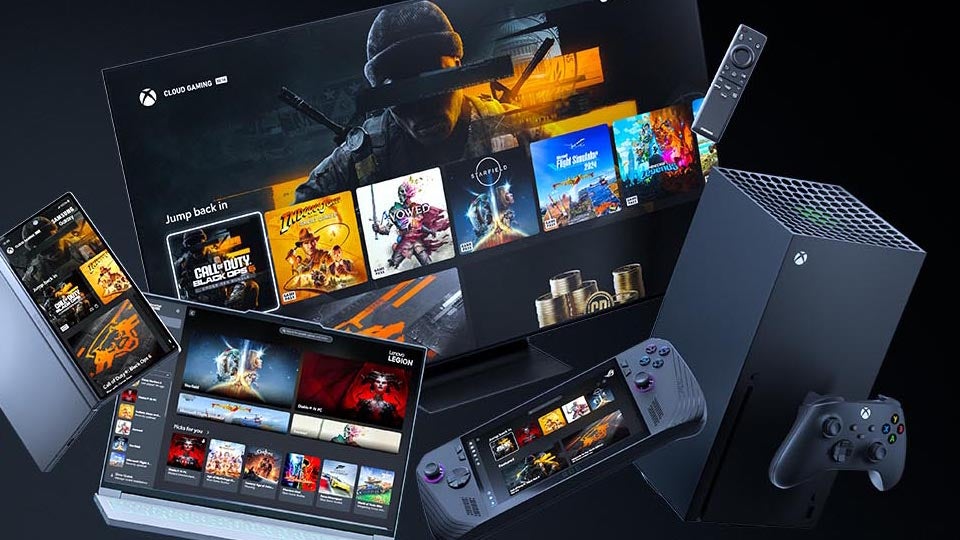
For indie builders, this considerably reduces obstacles. Indie builders usually lack the assets for a number of platform builds and are extra delicate to distribution friction. So by simplifying the trail to gamers, it expands attain with out rising price.
Some commentators recommend Helix could mark the efficient finish of the native Xbox construct. On this mannequin, video games are basically Home windows builds packaged for Xbox, with the console performing as a distribution layer moderately than a distinct platform.
This strategy could offer many upsides for indies, like much less porting, simpler parity with Steam, and simpler entry. However there are trade-offs. As platforms converge, differentiation turns into tougher and discoverability extra aggressive. That results in a extra advanced aggressive image, when it comes to each alternative and threat. Helix could assist video games attain new gamers by means of Xbox’s ecosystem, but it surely additionally positions Xbox nearer to a PC atmosphere, competing with platforms like Steam.
Due to this fact, Helix could pull Microsoft into a extra direct contest with Valve for the lounge. As an alternative of Xbox competing purely with PlayStation, it’s now competing with the broader PC ecosystem. Each Helix and the renewed push round Steam Machines are attempting to unravel the identical downside: making PC gaming really feel like a console expertise. Extra routes to the lounge display are excellent news for indie builders, however in addition they imply a extra open and aggressive market as conventional platform boundaries fall away.

Valve’s strategy with SteamOS provides one other layer. It is not making an attempt to exchange Home windows outright, but when gamers are blissful on Home windows, then all good. That alerts each corporations are shifting towards the identical purpose from totally different instructions – getting PC video games to run all over the place with out including complexity for builders. The Steam Deck has already proven that a console-like expertise would not require Home windows, whereas Helix doubles down on Home windows as the muse, even when the {hardware} appears like a console.
For indie builders, that creates rigidity. Simpler entry to Xbox audiences is a win, however these audiences more and more overlap with the broader PC market, the place competitors is intense.
Shifting platform dynamics favour the agile
Helix aligns with broader tendencies already favouring indie and AA growth. Progress in these segments is outpacing AAA, whereas PC gaming continues to increase globally.
Inside that context, Helix feels much less like a radical departure and extra like an acknowledgement of the place growth is already occurring. A console that embraces these realities tilts the panorama in direction of smaller, extra agile groups.
There may be additionally a shift in energy dynamics. Consoles have historically acted as gatekeepers by means of certification and platform necessities. If Helix reduces these constraints, it opens alternatives, but in addition removes among the construction that helped floor video games.
Warning required
There may be nonetheless uncertainty round precisely what Helix will offer at launch, so warning is certainly warranted.
A lot will depend on how seamless the ecosystem actually is. Will companies work persistently throughout gadgets? If a recreation depends on third-party integrations or back-end techniques, will these translate cleanly? How a lot management will builders should confirm and troubleshoot? And can there be a browser or open tooling layer to make sure parity with PC builds?

There may be additionally the query of Microsoft’s companies technique. Recreation Go generated early anticipation amongst indie builders as a discovery and income driver, however that pleasure cooled because the industrial realities grew to become clearer. Builders might be watching carefully to see how sustainable and supportive these companies are.
These uncertainties do not take away the chance, however they do have an effect on how confidently studios can plan.
Simpler entry to the lounge
Project Helix represents extra than simply a {hardware} refresh. It’s the most bold transfer Microsoft has made to courtroom the indie scene in years. By successfully evolving the Xbox {hardware} to operate as a specialised machine, Microsoft is lastly providing small studios a “construct as soon as and ship all over the place” actuality that truly works.
“Traditionally, the lounge was locked behind a paywall of porting prices”
This shift isn’t just about technical comfort; it’s concerning the backside line. Traditionally, the lounge was locked behind a paywall of porting prices and technical gatekeeping that favoured the giants. If Helix can really bridge the hole between a desktop construct and a console expertise, it ranges the playing field. This permits a three-person staff to hit the massive display with the identical confidence as a main powerhouse.
Finally, Helix looks like Microsoft lastly leaning into its biggest power – the Home windows ecosystem. In a post-Steam Deck world, they’re now not simply reacting. They’re signalling a clear, unified route for the way forward for recreation growth. A future that appears particularly vivid for indies.