
After the previous 5 years of seemingly countless closures, cancellations, and restructures, after the tens of 1000’s of layoffs that the trade has endured like a relentless drumbeat, you’d suppose that we would all have grown some fairly thick pores and skin. How a lot can yet another dangerous information story actually damage?
Loads, it seems. Dropping BioWare stings.
It is not the sting of shock, to be clear. The velocity with which the newly private-equity-owned Digital Arts moved to shutter the studio was surprising, however the end result was grimly predictable. The foundational logic of a non-public fairness buyout is that some finance varieties have checked out a enterprise and concluded that they’ll load it up with debt which it will pay again by slashing prices. BioWare was by no means more likely to survive that course of intact, if in any respect.
It is not even, if we’re being sincere, a sting of injustice, per se. The chopping of so many roles at a studio (amongst a complete of 400 being slashed throughout EA) alongside the cancellation of the undertaking it was engaged on won’t ever really feel truthful or proper, particularly when the choices that led to it had been so fully out of the management of the gifted individuals who now discover themselves going through unemployment. However in a broader view, if the knife needed to fall someplace (which it didn’t), you possibly can see why it fell right here.
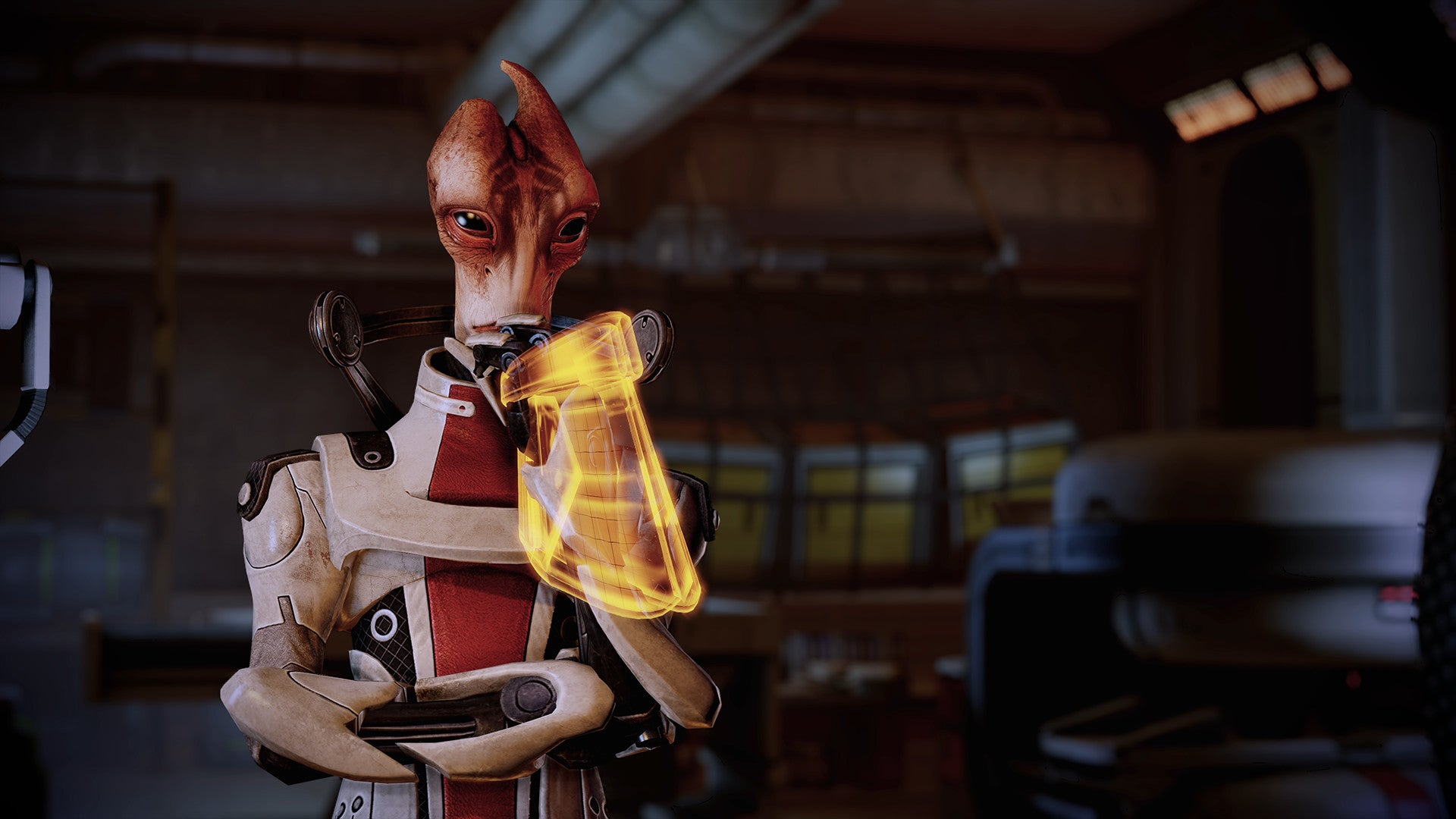
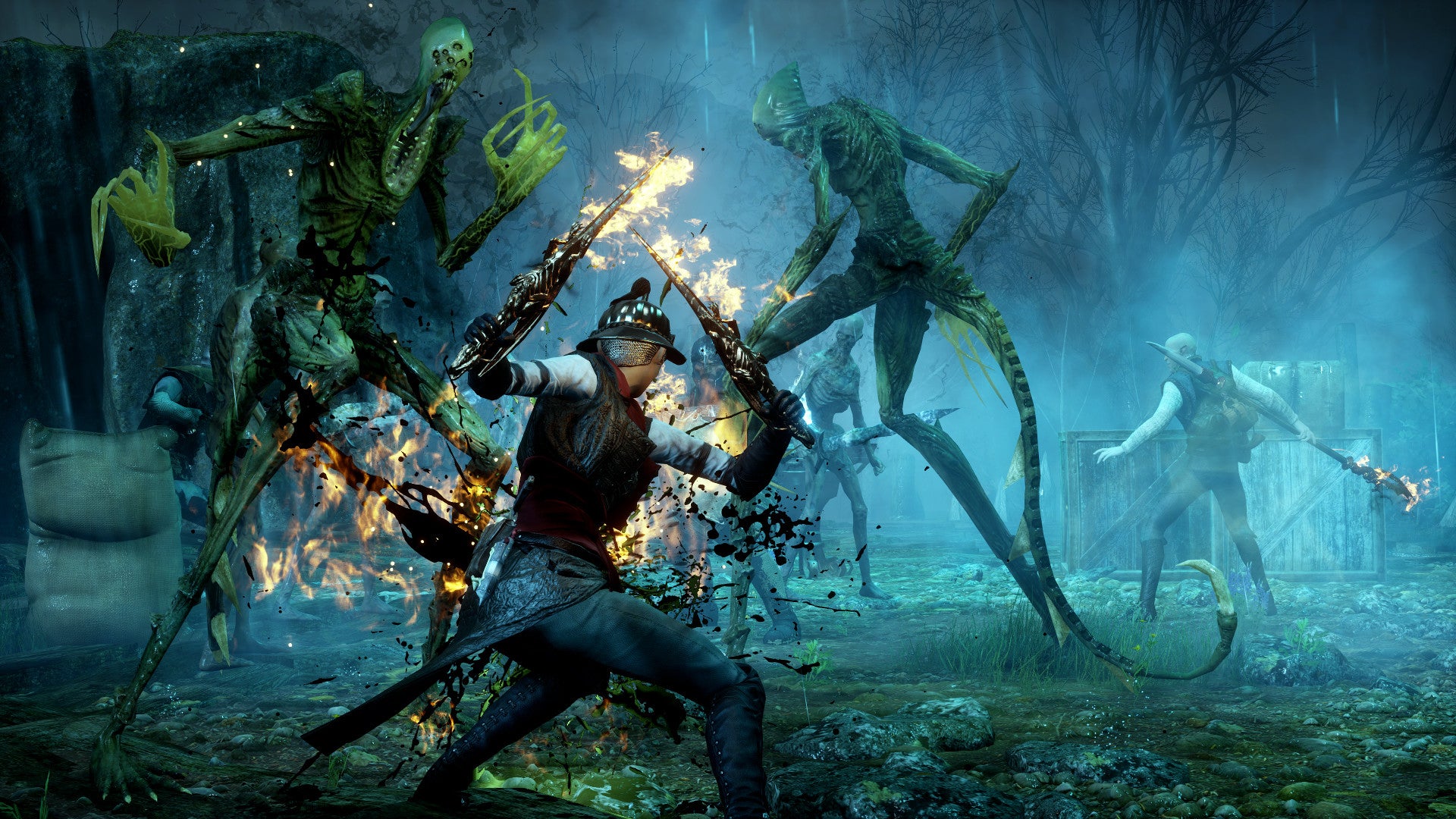
The BioWare being snuffed out this week is not the BioWare now being lamented so extensively. It is nonetheless a studio of outstanding, expert, passionate folks, however it’s a studio that hasn’t had a vital or business hit in over a decade – the (genuinely phenomenal) Dragon Age: Inquisition was the final flash of actual BioWare magic. It would not look good on paper, and paper is all that the folks making these selections have a look at.
To make issues worse, the brand new Mass Impact sport the studio was engaged on was described as being in “early growth”, regardless of its first trailer being proven virtually six years in the past. “Early growth” is a imprecise time period, however for a huge AAA sport like this it implies that launch was nonetheless a number of years, a whole lot of tens of millions of {dollars}, and doubtless a {hardware} era away. An costly long-term gamble on a franchise whose final outing did not do nicely and which does not sit neatly into the game, navy shooter, and reside service buckets that EA’s new homeowners really appear enthusiastic about – these odds had been by no means going to work out.
What stings is not even simply nostalgia for the unbelievable studio that BioWare was for such a very long time. The studio of Baldur’s Gate and Neverwinter Nights, video games which roughly resurrected Dungeons & Dragons from cultural limbo, with out which pop-culture phenomena like Stranger Issues merely would not exist. The studio of Knights of the Outdated Republic and my private favorite, Jade Empire. The studio that, even after being purchased by legendary mis-manager and destroyer of gifted studios Digital Arts, nonetheless launched Mass Impact and Dragon Age.
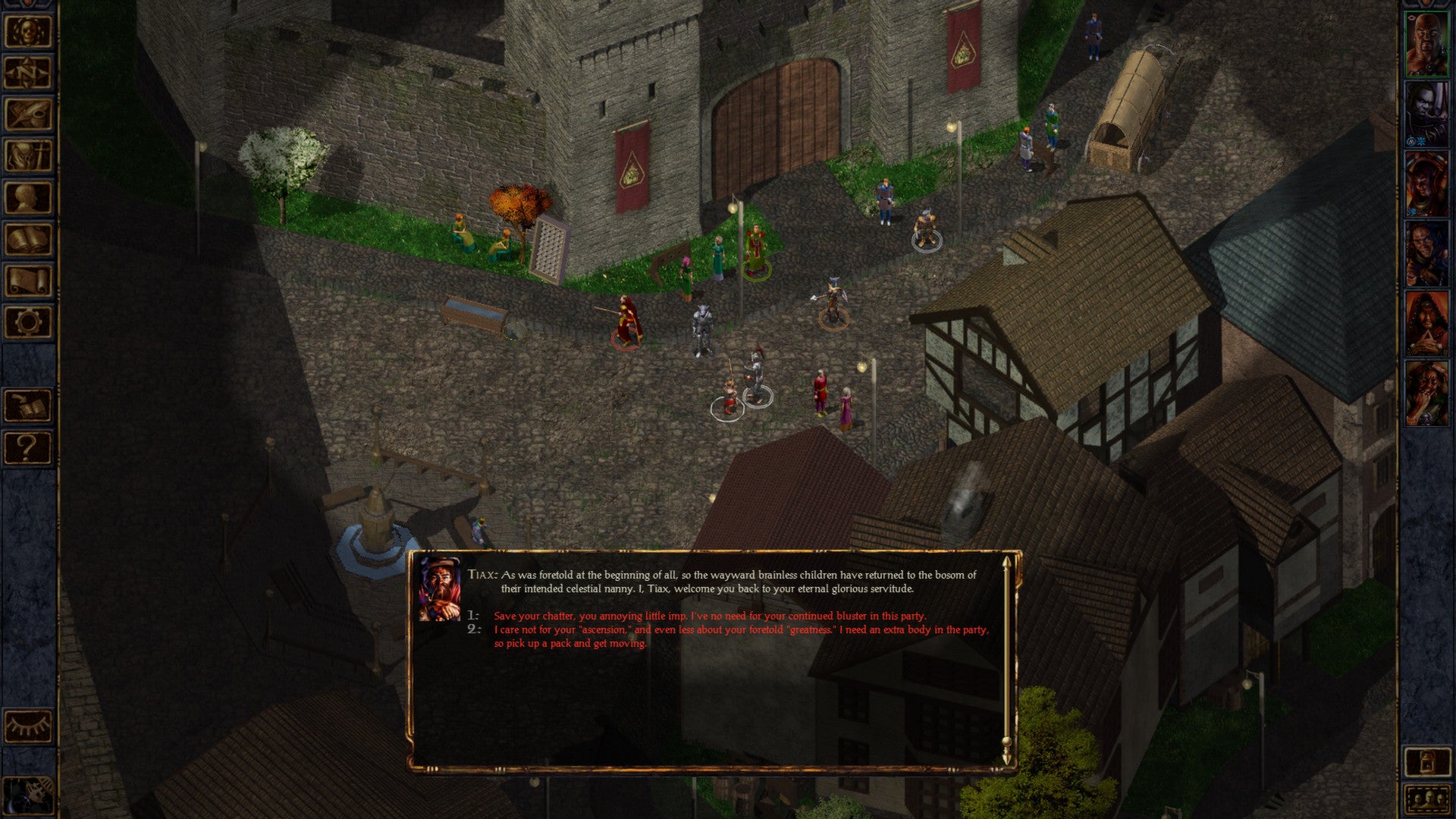
From 1998 to 2014, BioWare had a run that I am unsure some other growth studio has ever equalled. The notion that it is now gone (or worse, that it now exists solely as a disembodied piece of IP, a brand-name that may finally be dusted off and skin-puppeted about by non-public fairness ghouls) is definitely laborious to swallow, even when its halcyon days had been fairly a very long time in the past.
No, what actually stings is not the loss, or the only resolution that ended the studio’s existence. It is the nigh-on decade and a half of choices that led right here; the grotesque mismanagement of an iconic, fabulously inventive studio. It is the litany of dangerous decisions and trend-chasing and interference.
Most of all, it is the grinding, terrible familiarity of it – the information that the tune of how BioWare died is one which a lot of the remainder of the trade can hum the tune of by coronary heart, even when the particular lyrics change a little. This occurs again and again, and the individuals who should be taught, by no means be taught, as a result of they’re by no means those having to brush up their CVs and take into consideration how lengthy their emergency financial savings will final.
The non-public fairness acquisition of EA was solely the ultimate coup de grace to a studio that had already taken physique blows from each terrible pattern the video games trade has skilled previously couple of a long time. With the readability of hindsight – unfair as that could be – you possibly can already begin to see the seeds of catastrophe within the bizarre makes an attempt to make multiplayer modes a core a part of the Mass Impact franchise. It was odd even on the time, however now it appears like a clear indication of how uncomfortably the trade’s most celebrated creator of story-driven, single-player experiences would sit throughout the construction of the eternally trend-chasing EA.
EA decreed that single-player video games should be made multiplayer, regardless of how ill-fitting that was
That was the period by which loads of publishing execs satisfied themselves that single-player gaming was on the best way out, so EA decreed that single-player video games should be made multiplayer, regardless of how ill-fitting that was or how a lot of a distraction from the core growth effort it grew to become. (Mass Impact arguably received off evenly in comparison with the Lifeless House franchise, not less than.)
This was solely a prelude to the actual catastrophe, in fact; by the point reside service grew to become the pattern to chase, BioWare had seen the departure of a lot of its veteran leaders, together with co-founders Ray Muzyka and Greg Zeschuk, and with them any hope of an anchor in opposition to the buffeting winds of EA’s instructions. There’s a fairly robust argument that BioWare really died with the failure of its massively costly live-service flop, Anthem. That catastrophe actually left solely a shell stumbling ahead with little constant route till one other sport initially meant to be reside service earlier than being swiftly reworked, Dragon Age: The Veilguard, limped out the door in 2024.
Veilguard will now be BioWare’s final sport. It is not a good sport, but in addition not fully as dangerous as folks make out. I completed it, which is really a considerably uncommon accolade as of late, and located it to be a fascinating mess that is actually an apt abstract of every little thing that had gone flawed for the studio underneath EA mismanagement. Some components are stunning, atmospheric, and beautifully written; two minutes later you will be within the midst of slapdash nonsense listening to painful dialogue that clearly by no means felt the mild caress of an editor’s pen. The seams the place the entire thing was stitched collectively from a number of iterations of very completely different video games, together with the mad, terrible concept of a reside service Dragon Age title, are unattainable to overlook.

It is a shambling, stitched-together monster of a factor, scarred by dangerous selections and traumatised by fixed shifts in inventive route, animated by fascinating glimmers of inventive expertise and nonetheless, finally, far lower than the sum of its mismatched components. It is a sport that would solely have been made by a studio being ordered to pursue completely different objectives and visions from week to week to week; no mad auteur may ever dream up such a excellent encapsulation of mismanagement and govt folly.
The hole between the extraordinary focus, polish, and readability of imaginative and prescient seen in BioWare’s greatest video games and the sense of full inconsistency and uncertainty about itself seen in Veilguard (not to mention the virtually complete lack of character and depth in Anthem 5 years earlier) tells a clear and tragic story. The inventive workers at BioWare did not instantly neglect find out how to make good video games, or find out how to write good dialogue, design good fight techniques, or construct intriguing worlds. The complete framework that is required to really do this wants stability, consistency, and clear route that aligns with the inventive values of the undertaking – none of which EA ever supplied to the studio.
The actual tragedy is how bizarre this explicit model of villainy has turn into on this trade
Is EA the villain that killed BioWare? In the end, sure – one more trophy from a legendary studio to go on its grisly serial killer’s wall – however the actual tragedy is how bizarre this explicit model of villainy has turn into on this trade, particularly when non-public fairness is there to place a knife in its hand. Giving the goose what it must hold laying golden eggs is simply past the ken of a nice many individuals in decision-making positions. That does not imply shopping for studios after which simply leaving them to their very own units (Microsoft appears to have tried one thing like that through the Phil Spencer period, with disastrous outcomes of its personal). However there should be some center floor between that and carving off cuts of a fowl whereas sometimes stopping to complain that you have not seen a golden egg recently.
I haven’t got a sensible resolution or pithy suggestion to shut on. The studio that made a few of my favorite video games ever is gone, and 400 folks have misplaced their jobs. Lots of the individuals who made the worst selections alongside the best way to this unhappy ending have most likely carried out very properly out of the non-public fairness deal that introduced the ultimate hammer down, and thus will be taught nothing, as a result of no one ever learns from errors that another person pays the value for. Elevate a glass to BioWare, however go away a dram within the bottle, as a result of it will not be the final time you may want it.